Thriving in Winter: Acceptance

My thoughts on winter are moderated by the reality that I grew up in the south, on the east coast. Snow only arrived as a rare occurrence, a fluke. I don’t recall growing tired of winter as a child. The bite of cold was never sub zero, but always chilled by ocean breeze. Perhaps I experienced winter as a settling, being warmed by a coal fire while curled on the sofa reading. I dressed over the single heating grate in the floor of a small back hallway, pulling corduroys under my school dress. On Saturdays the bean pot simmered with pintos and corn bread baked in the oven. Winter was mistletoe in the tops of trees, Christmas, candy canes and oranges in stockings. The nut bowl, with the cracker and pick made its first appearance. Walnuts were always my favorite. Hot chocolate was served with a pile of melting marshmallows, ready to stick to the upper lip. My brothers and I put soft peppermint sticks in the center of oranges and drew on delight.

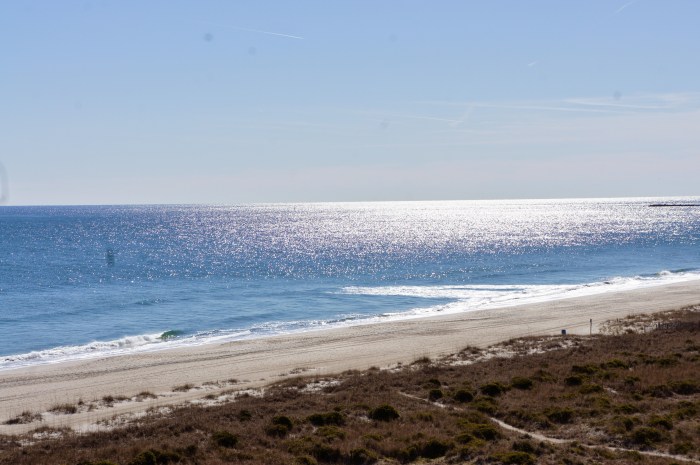
With a turn of the wall calendar winter became the liturgical season of  lent, a time to exchange “going without” for a few good and forgiving mercies. I learned to play chess one winter, and the card table was always up in the living room. Candy hearts and valentines messages created a spark of joy before winter departed. The beach in winter was made for walking, slowly, with plenty of time to explore the horizon, guessing what it would be like to swim to the other side, dreaming about discoveries.

Yearning is undeniably winter’s rough edge of desire, wanting the days to be something different, watching for the first chance to play baseball in the empty corner lot; waiting for the tight buds of azaleas to reveal color. Promises of spring are universal signs of hope. Restless desire for “anything but this”, however, becomes a source of discontent. Too often my memory of accepting winter for what it brings in the present moment is buried under layers of looking for change.
SONY DSC


Thriving in Winter: Lights Up!

If you were to name the four seasons – where would you begin? Would you draw on the calendar year, answer with the early learning chants of childhood? “The four seasons are winter, summer, spring and fall.” Or is there an innate sense of life cycle that frames your understanding: Spring – new birth; summer- flourishing life; fall- harvest and letting go; wintering – cold, dark, dying? Now the circle of reasoning returns to the necessary hidden life of winter. Gestation. All that lies fallow. Browned earth, bare trees, forest hiking trails carrying the musky scent of decaying leaves. Winter dormancy is essential to survival and renewal of the life-giving processes.

Your approach to winter is a matter of perspective. In my east coast southern climate, snowbirds are found on designated mountain slopes, but the everyday reality is more often the drizzling kind of cold. You’ve heard it said. In fact I have heard myself say: “I am so done with winter.” On a late afternoon walk I recently ran into a neighbor who made this very same declaration. My first interpretation was he was planning a trip to warmer climes – where winter sits not so deep and cold. “No,” he said, “I am just heading to Maggie B’s – today is red wine.” Germinating takes some time. I have been ruminating on winter, intentionally developing a new life plan not to simply survive winter, but to thrive while lying fallow.

In truth November does a good job of preparing for the inevitable – the early sun sets leaving me no choice but to let go of my leisurely evening after dinner strolls. Meteorological winter begins December first and paradoxically arrives with its name in written lights, Garlands of white lights appear around doors and porches; draped on outdoor evergreen. Colored strands of light can be viewed through windows. Candles appear on the dinner table, the early push for holiday mood setting. And I say “bring it on.”  Every bit of twinkle that lightens the darkness gives a festive touch to winter’s arrival.

Nature has its way with irony. Astronomical winter officially arrives with the winter solstice. In the Northern Hemisphere Dec. 21 may or may not be the shortest day of the year, but it’s a good average possibility. Of course the solstice – the polar tilt away from the sun is a only moment in time. A minute or two at a time, the day begins to lengthen. And herein lies the magic of surviving winter. Time is marked by our constant move forward (or around). One of my great annual delights is the moment I experience the lengthening of days. I am generally making preparations for dinner, looking out the window at the color of the sunset. Quite early in January, after all the hub of holidays has quieted and I have once again fallen into a welcomed routine, a different kind of light catches my attention. Daylight still dazzling me; the gentle quiet before the roses and golds are draped on the horizon. I see. I see. Winter is in motion.

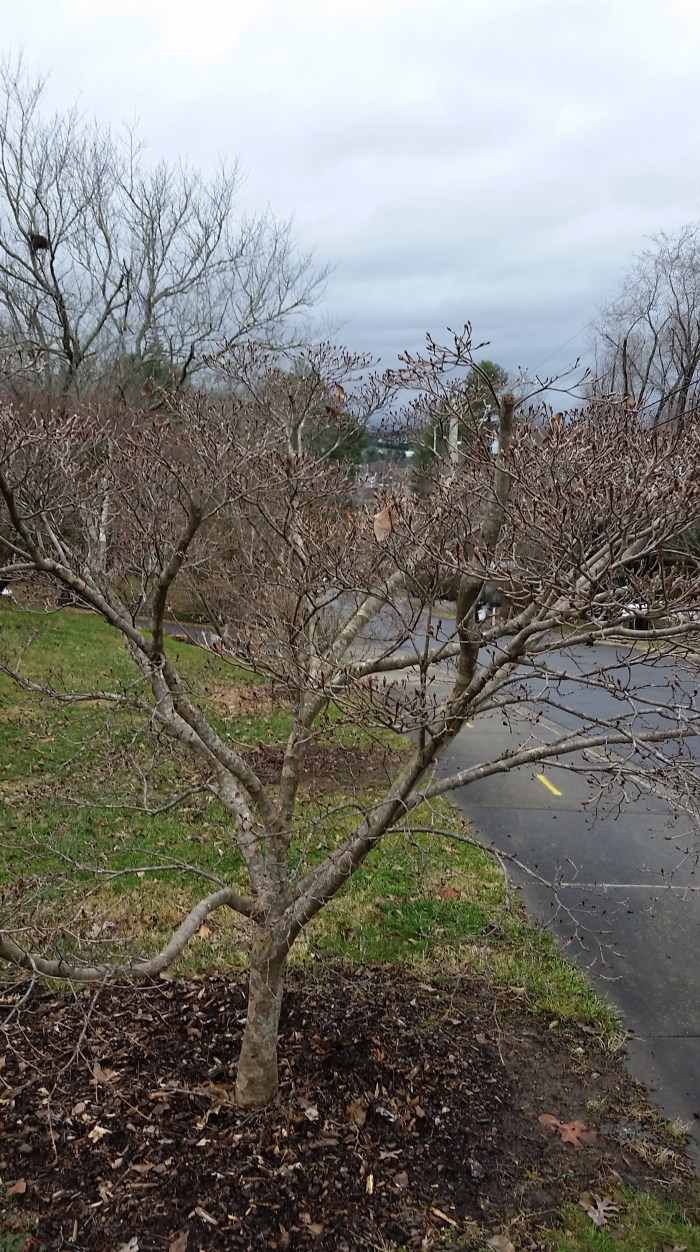
weaverville winter

Love the Day

From the sky that has hung close to my world these days, a seemingly endless interchange between heavy mist, rain, and grey punctuates the end of one year and the beginning of another. The sun is a promise – according to the meteorologist, a near promise. As I sit at my desk to reflect on this day, I see through my “I spy” window a pale teal balloon bouncing up the hill, apparently deciding which way the wind blows – a dash of color against the bleakness of wet pavement. I wonder who let go of the string and was it a celebratory moment. Are they sad or happy when the balloon freely floats away? I find myself hoping that a dried twig or sharp post does not burst its bubble – at least not yet. I need the lift, the bounce. I need to love this moment as much as the anticipated rose warmth of a sunny Sunday. When I push open the front door that encloses me in silence, I hear a chorus of birdsong. Among the singers there is one who trills the notes of gladness. I want to delight in the damp as much as she does.

I ended one year and began the next reading The Bright Hour by Nina Riggs, a gift. The subtitle is “A Memoir of Living and Dying”. Thirty-seven years old, mother of two, great, great, great granddaughter of Ralph Waldo Emerson. Her life is immersed in family. She and her mother are living and dying together. Riggs draws on her kinship with the 19th century poet, essayist, and philosopher as the landscape of her life radically transforms. Stage one breast cancer to stage four. As her story draws to an end she muses on the paradox of friends whose lives are winding up – anticipating births, marriages, milestones- just as she is learning how to wind down. She writes to chronicle this time for her two young sons, that they will experience her love, and in the process opens up a world of understanding for readers. Rigg’s memoir gifted me with a new appreciation of what it means to love the present. She writes: “My voice: I have to love these days the same as any other…They are promises. They are the only way to walk from one night to the other.”1 And she shows the way. Riggs points to the influence of Emerson’s journals2. His passion for nature and transcendence emerges in Rigg’s sense of discovering what she refers to as the magic in the natural world, the everyday world. Riggs died February 26, 2017 just before the sun rose in the winter sky.

“Write it in your heart that every day is the best day of the year.” Ralph Waldo Emerson

1Nina Riggs, Bright Hour: Memoir of Living and Dying, p.306

2“Before I Go: A Mother’s Hopeful Words About Life in the Waning Moments”, an interview published in the Washington Post January 1, 2017,

winter grey sky.jpg