Observe the Parallels

We ride the waves
of our universe,
always in motion
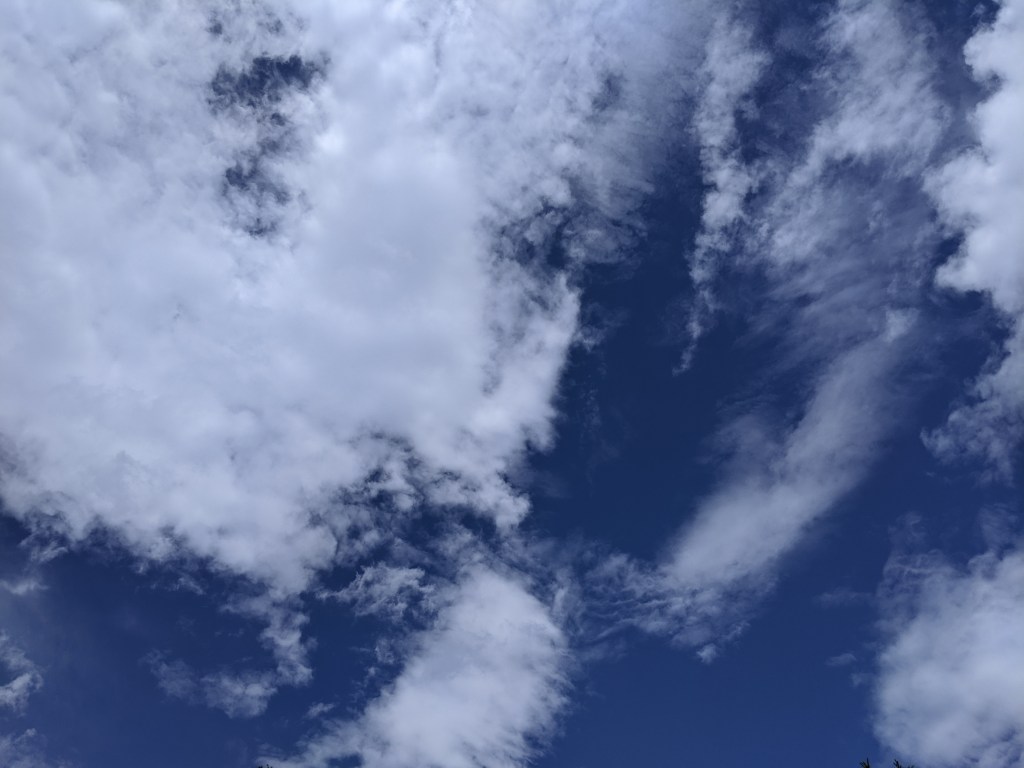
Sky, Wind, Clouds
and Me  counting on
the going forth and
the coming back,
predictable patterns.

In a Skinny Poem

In a sip clouds transform
skies
dark
sweet
rain
skies
blue
clouds
stretch
skies
transform clouds in a sip.

In a breath life changes
days
dark
sweet
tears
days
bright
grace
gathers
changes life in a breath

Check out Truth Thomas and the Skinny Poem.

Poetry Form Matters: Truth Thomas and The Skinny

Thriving in Winter: Wrapping It Up

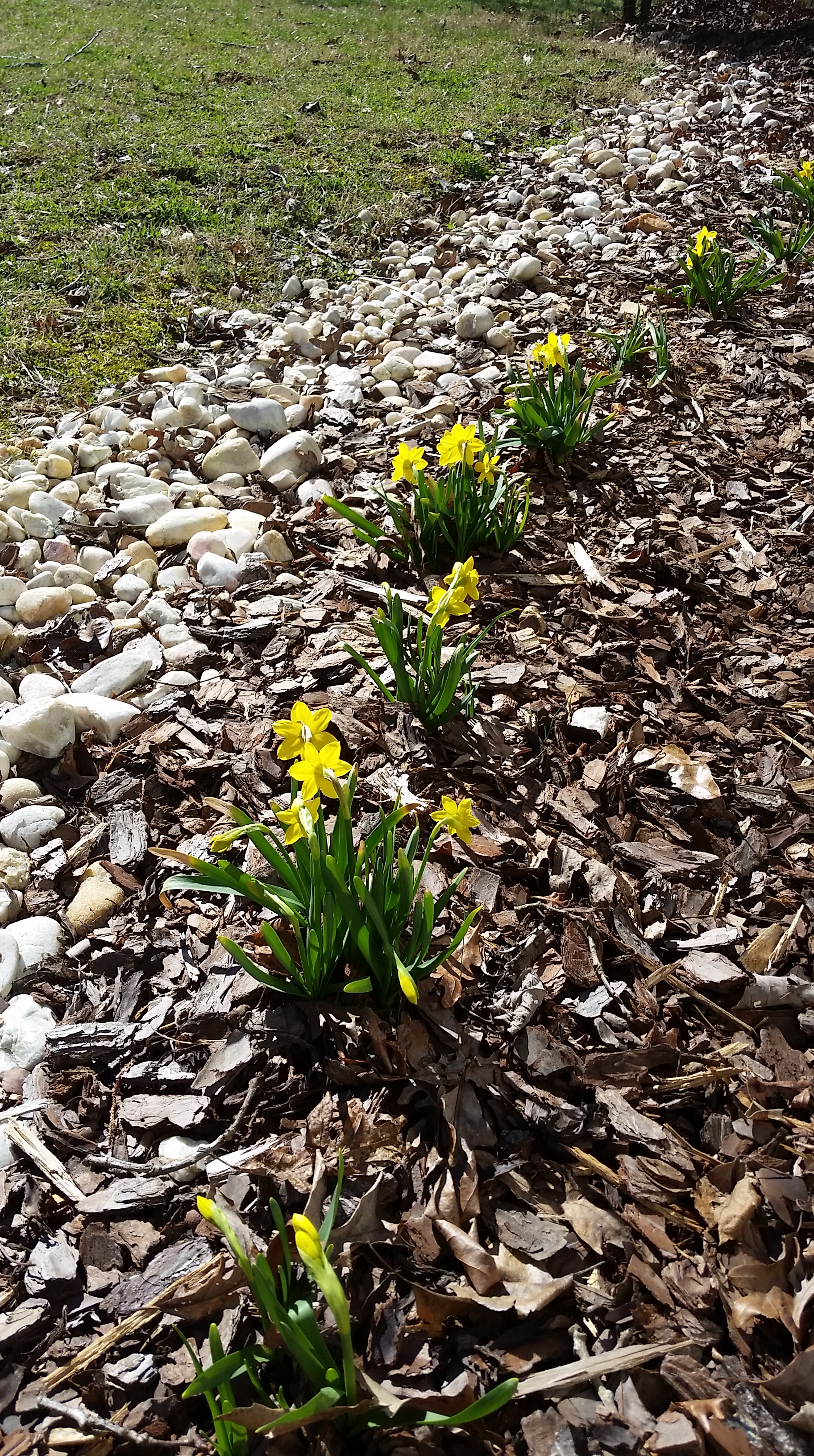
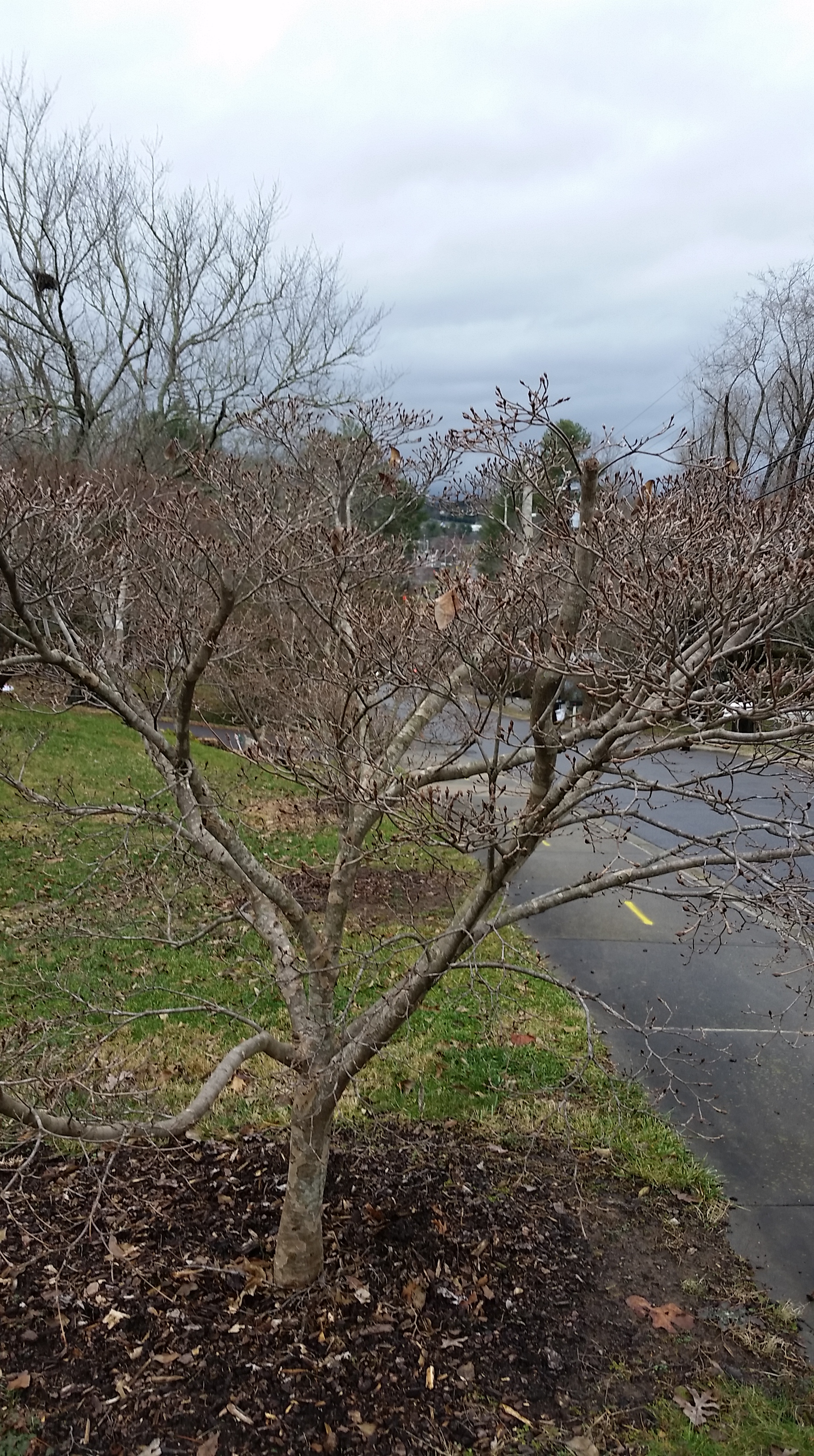
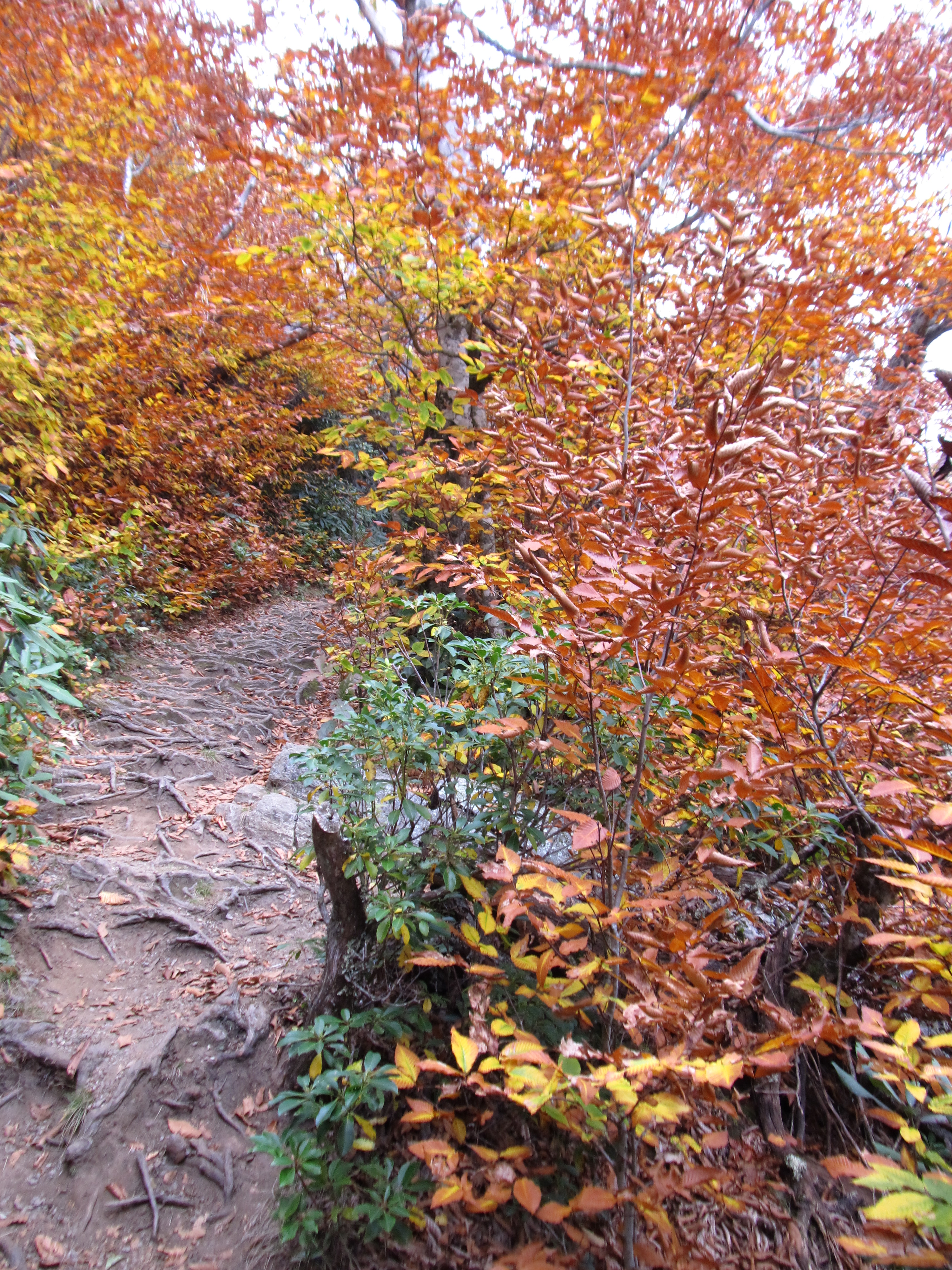
We are about done with winter in the south – nature is already signaling change. March announces its arrival a bit early with yesterday’s howling winds. The red maple outside my window is tipped with red buds. Dandelions persistently push though dried leaves; daffodils greet me on my walk to the park. Sitting on the park bench shaped from a fallen hickory, I consider winter’s lessons for survival.

With cues from burrowing creatures, I line my winter retreat with a stack of books, a list of movies to stream, CD’s hiding too long behind my top ten favorites choices, games I usually do not get around to playing I crochet comforters and wraps in warm colors, and delight in a variety of scarves to add more than warmth to winter wear. I pull out my highly favored fur-lined boots kept in the back of the closet for much of the year. On the coldest days I reach for my mother’s wool sweater, monogrammed with her initials.

Hoarding can also be life-giving I am very familiar with this hoarding instinct, having watched the squirrels’ frenzy of burying nuts. My lawn is covered with paw sized pits; scratched patches. Every newscaster in the northeast and much of the south sends reporters and photographers to the local hardware and grocers’ when a winter weather watch is announced. Viewers dutifully note the ritual of emptying shelves. In order to shift from surviving to thriving, I redefine the tradition of hoarding (while my pot of soup is simmering and my stash of chocolate is secure) I am hoarding gratitude. Wrapped in flannel and wool, I think about the pleasures of spiced tea, mulled cider, the snapping flame of a red cinnamon scented candle.

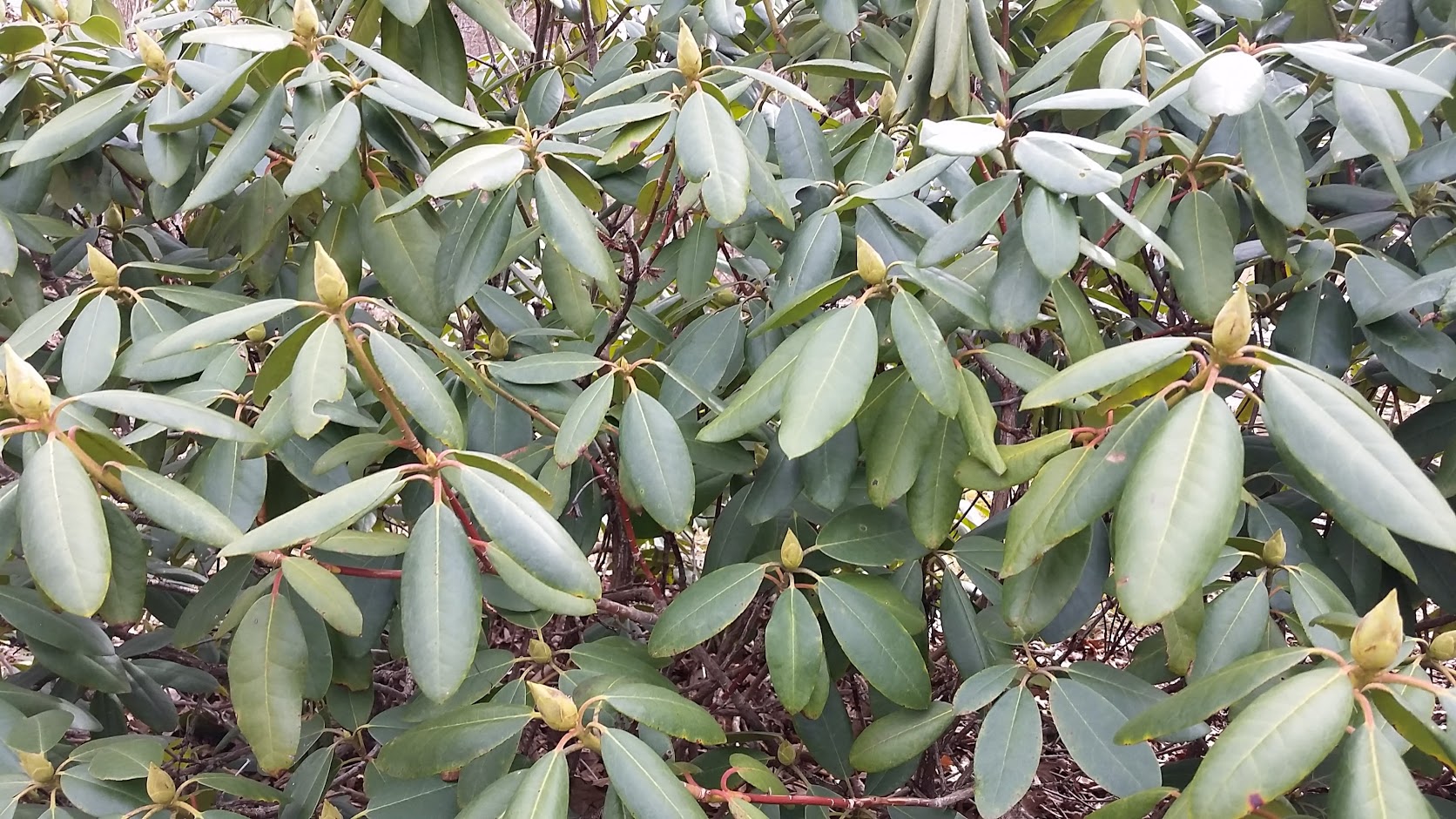
This year winter demands that I take an artist’s eye to a background of grey. Muted skies accent every point of color. From my reflection corner, where I read, write, and meditate, the red bird feeder that is kept inside in every other season creates a scene of vibrant activity. My kitchen window frames the suet feeder, and the frequent colorful visitors – cardinals, blue jays, black-capped chickadees, tufted titmouse, red-breasted finch, pileated woodpecker.  Their song is a winter’s jubilation as though they share in my delight at frost that sparkles when the sunlight finally appears, crystal coated mornings, the dance of snowflakes leaving a sweet layer of white icing on rhododendrons and magnolias with their candle like bulbs. Evergreens stand out in sharp contrast to their deciduous earth mates, reinforcing their own survival with a careful selection on nutrients. Seasons have a tendency to build on the spirit of anticipation, and though I pass through my winter trials with an upswing in acceptance, I eager anticipate change.

Daffodil Trail

Love the Day

From the sky that has hung close to my world these days, a seemingly endless interchange between heavy mist, rain, and grey punctuates the end of one year and the beginning of another. The sun is a promise – according to the meteorologist, a near promise. As I sit at my desk to reflect on this day, I see through my “I spy” window a pale teal balloon bouncing up the hill, apparently deciding which way the wind blows – a dash of color against the bleakness of wet pavement. I wonder who let go of the string and was it a celebratory moment. Are they sad or happy when the balloon freely floats away? I find myself hoping that a dried twig or sharp post does not burst its bubble – at least not yet. I need the lift, the bounce. I need to love this moment as much as the anticipated rose warmth of a sunny Sunday. When I push open the front door that encloses me in silence, I hear a chorus of birdsong. Among the singers there is one who trills the notes of gladness. I want to delight in the damp as much as she does.

I ended one year and began the next reading The Bright Hour by Nina Riggs, a gift. The subtitle is “A Memoir of Living and Dying”. Thirty-seven years old, mother of two, great, great, great granddaughter of Ralph Waldo Emerson. Her life is immersed in family. She and her mother are living and dying together. Riggs draws on her kinship with the 19th century poet, essayist, and philosopher as the landscape of her life radically transforms. Stage one breast cancer to stage four. As her story draws to an end she muses on the paradox of friends whose lives are winding up – anticipating births, marriages, milestones- just as she is learning how to wind down. She writes to chronicle this time for her two young sons, that they will experience her love, and in the process opens up a world of understanding for readers. Rigg’s memoir gifted me with a new appreciation of what it means to love the present. She writes: “My voice: I have to love these days the same as any other…They are promises. They are the only way to walk from one night to the other.”1 And she shows the way. Riggs points to the influence of Emerson’s journals2. His passion for nature and transcendence emerges in Rigg’s sense of discovering what she refers to as the magic in the natural world, the everyday world. Riggs died February 26, 2017 just before the sun rose in the winter sky.

“Write it in your heart that every day is the best day of the year.” Ralph Waldo Emerson

1Nina Riggs, Bright Hour: Memoir of Living and Dying, p.306

2“Before I Go: A Mother’s Hopeful Words About Life in the Waning Moments”, an interview published in the Washington Post January 1, 2017,

winter grey sky.jpg

Reminders of a Heart’s Delight


Today
I watched love rise over the mountain,
sing from the branches of the aging maple,
course its way from mountain top to ocean.
I saw love sprouting in tights buds
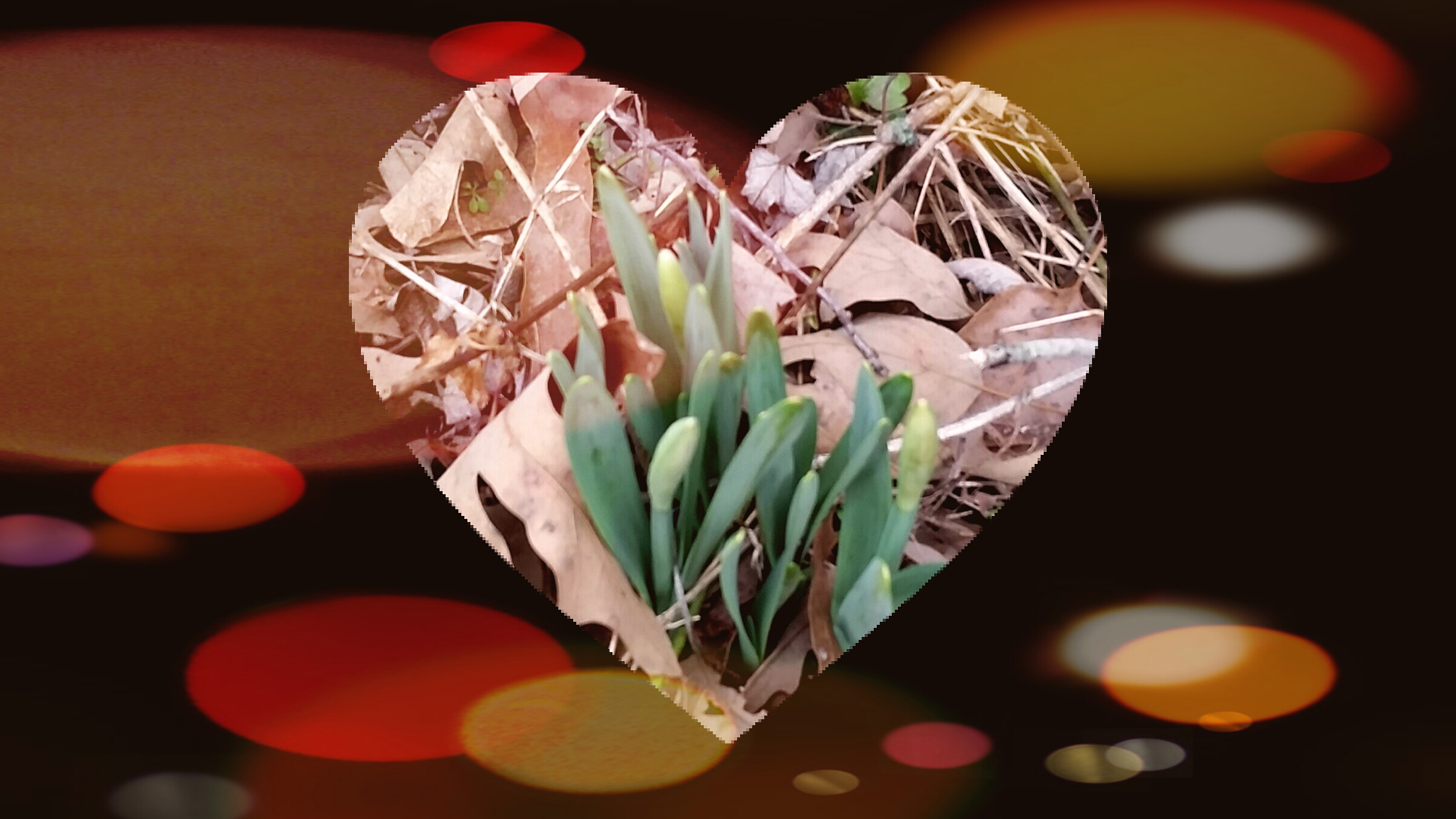
and daffodil promises.
Tomorrow
love will bloom on the hillside,
rain from the heavens with a gentle touch,
green winter’s lawn with clover leaves of three.
I wake and walk in circles of love,
cherished words, human embrace,
memories shared, heart-to
heart.

daffodil heart


Weaving a Spider’s Tale

Fall Showing: Yellow mums, scarecrows with smiles,
pumpkins positioned at the welcoming corner of my lawn.
Two identical spiders with silken thread, spun protein,
tensile strength greater than my bones and half the
strength of steel, strategically placed for the fall showing,
one hanging by the front steps, the other on the back deck,
identical twins as far  as I can tell. Uninvited guests.

From my memory template of scary spiders, Arachnids that catch
all the attention in the news, there’s the hobo, the wolf and its
oversized variant the tarantula, brown recluse, black widow,
and the orb with yellow stripes – the writing spider. Daddy said
that if this spider wrote a name on its web, the person was
doomed. Daddy also told me that Farmer McGreggor lived
across the railroad tracks near my house and if I ventured
in that direction I would suffer the same fate as Peter Rabbit,
I would be an unsuspecting fly caught in a spider’s web.

These rather ordinary house guests camping on my posts
wove their way into my days in an untidy, cob web fashion;
brown with a bit of a striped effect; in a species of 50,000
these are regarded simply as domestic house spiders.
Despite my love for E. B. White’s Charlotte Web and the itsy
bitsy spider who did not learn his lesson well, repeatedly
climbing the spout despite the warnings about rain,
I do have not a familial relationship with spiders.

 
Cool webs, threatening fangs and creepy legs.
My rocker becomes an observation post as the porch
dweller grows bolder with daytime appearance,
and bigger with the insect feasts. Much of the time
the acrobat curls into a ball, eight legs tucked tight,
swaying in mid-air, all head/mouthpiece, and abdomen,
until the invisible web quivers  and legs spread in every
direction; an unsuspecting prey is nabbed, stuck tight,
wrapped in silken thread. An occasional lucky wasp touches
the steely stickiness and escapes with a forceful thrust.
Then brown spider whispers dag nabit, – missed this time

Nights are growing colder, the food supply source diminishes
with the approach of  all-hallowed- eve. I grow faintly wistful
knowing that soon my house guests will complete their task,
leaving a nest-full of eggs, offspring to take over the world
when spring arrives once again, spiderlings instinctively
knowing how to survive the cold, finding crevices for shelter,
and warmth wrapped in their egg sacs. Not so scary then.

explore more at http://www.explorit.org/science/spider.html

spider guest

Summer Muddle

Days I arise when a night nymph or
disturbing dream muddies the rivers
of waking consciousness. My words become
woven into tangled taunts like green vines
silently spreading on my walking path;
a wet woolen heaviness keeps my spirit
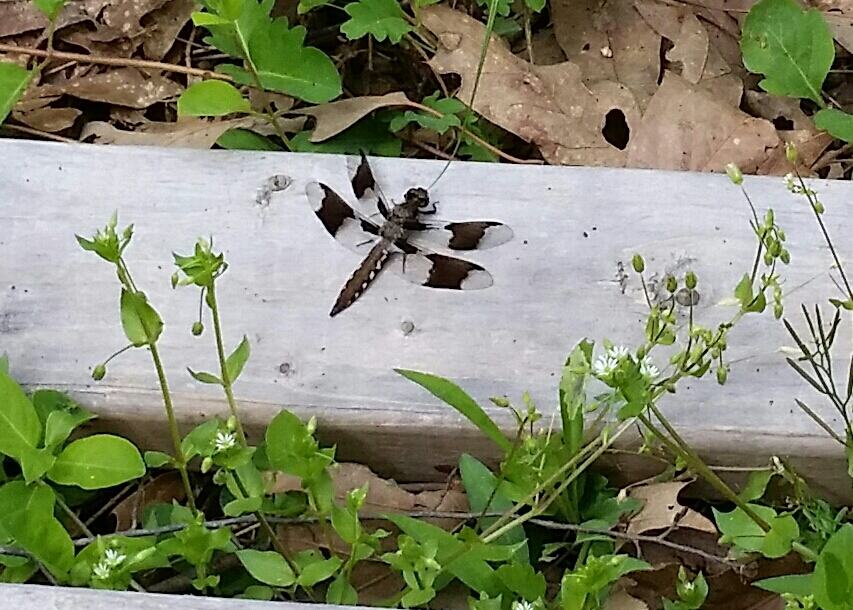
from soaring. Only the dragonfly seems
unfettered by bold rays of the mid-August sun.

Summer knows about muddling moods;
the cicadas insistent wing flicks seem
to slow into a lulling rhythm; only leaves
hanging out on a limb shiver with delight
when an unseen giant releases a single
puff of satisfaction – or frustration.
I’ve learned a lot about silence and
patience in times of oppressive heat.

Rocking and remembering my childhood,
we knew no other kind of summer day.
A short drive from home to the beach
in Aunt Francis’ 1950’s Ford station wagon,
stuck in the single lane of traffic, steam rising
from under the hood, pavement shimmering
with puddles of rays; “hot enough to
fry an egg on”, that’s what we would say

dragonfly

When the Bough is Broken

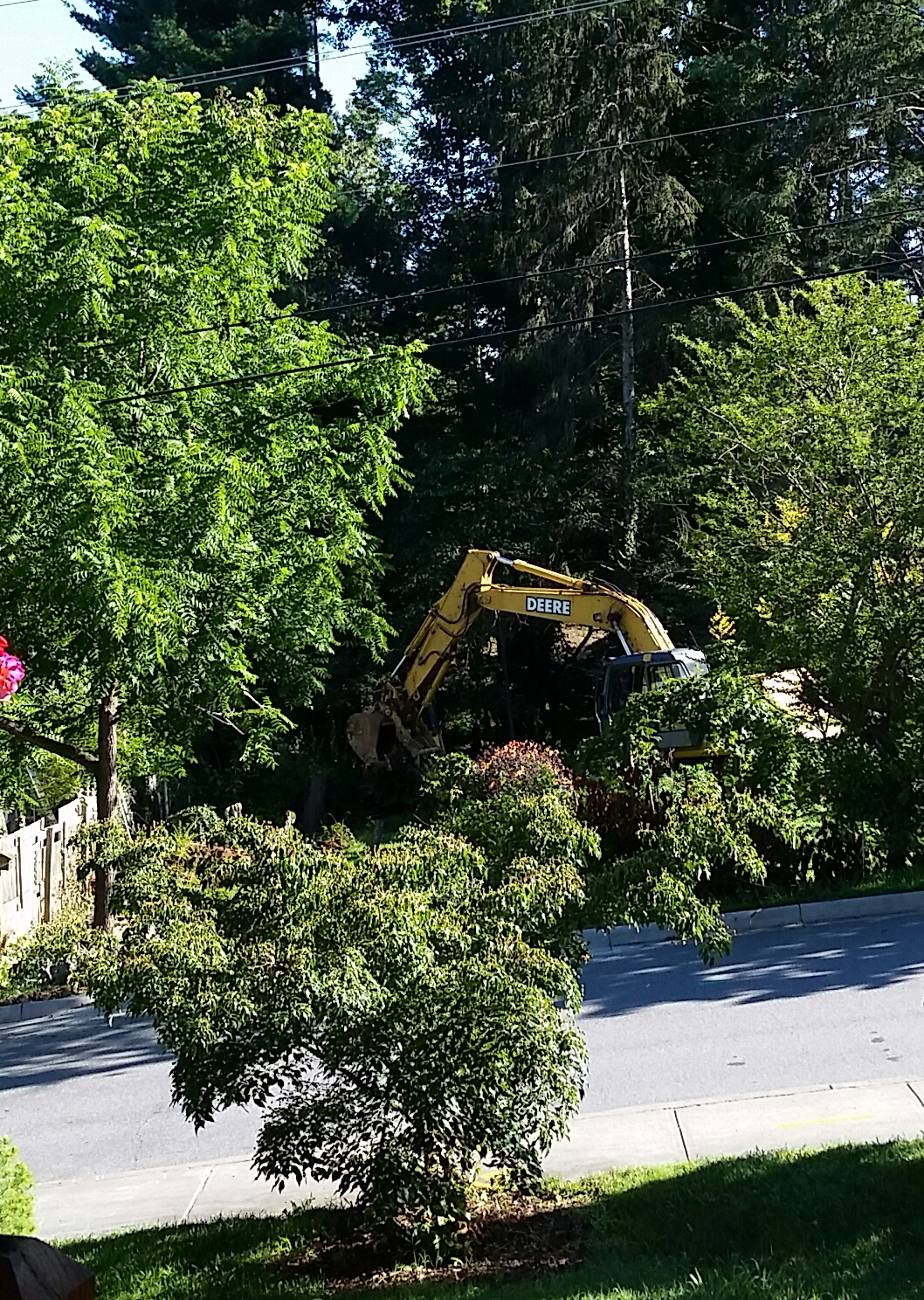
Awakened by slashing sounds of charging forces
I discover giant claws changing my landscape,
chaos on the horizon, nature being shifted,
foundations shaking, gutted earth gaping,
a new path appears – the price of dream making.

In the shaded afternoon spot under the walnut tree,
where I collected the mail and squirrels gathered nuts,
the lacy limbs bearing first fruits are stripped,
ground to dust and carried away; my heart is bruised.
I feel the yank of the roots being forced from the earth.
Where will the mockingbird perch in the evening?
Where will the towhees sing their morning call?

“Nothing is lost” my friend whispers softly, “Nothing is lost.”
With a slow shake of my head I reply,
“Though much is changed, much is changed.”

earth mover.jpg