Back to Blogging

Back to Blogging
Things are changing.
Of course they are –
watch the shadows,
the clouds, earth’s bounties.
I greet each sunrise
with a ritual of awareness,
nod of recognition –
another day to spin
on an Axis I trust
will keep me aligned
with good intentions.

I write my history in words,
circumstances, choices.
Grandchildren prompted
the start of this blog.
Sitting in the grass
making daisy chains
we spotted yet another wonder.
They laughed, mocking
my familiar mantra,
“How  About That”.

It seems words
can lie fallow, seasons
pass while intentions remain
buried beneath new pursuits.
I  pondered and wondered.
jotted words on loose pages
while waiting for new birth.

A new granddaughter
Now ten months,
has favorite colors,
preferred tastes.
reaching out,
so many miracles.
Now “How About That”.

Here I am,
catching up with
all the wonder;
more to come.

Glory Be

The Pull of the Tides and Fall Harvest Moon
Drew me towards Year’s End, New Decade of
Possibilities. Winter rode Waves of early Sunsets,
Festival Lights and Celebrations.

 January Dawns with an Invitation to move Gingerly
Over Frozen Ground, Peer through Bared Arms
Of Nature at the Open Horizon. Resolve, Re-vision,
Slow down,  Change of Rhythm. 

Well, Glory Be! These Words escape my Lips
A bit like Bird-Song, An Awakening Mantra.
Surprise, Delight, tinged with Gratitude, another
Day to Spin with the Earth, Circle the Sun.

Glory Be! Keep an Eye out for the Wonders,
Gifts that keep my World in Balance,
Heal the Hurts, Right the Wrongs, Hold to the
Promise, for Love is the Axis on which we Turn.

Glory Be

A Hint of Lavendar

Marmalade in the Morning

The morning sun stretches,
yawning wide over mountain
ridges before slipping back
under a thick grey quilt.

Eager dark clouds push
their way across the day
while I spread lemon and
lavender marmalade over
toasted English muffin.

***

Late Afternoon Tea

Clouds smudged with the
grime of a day’s journey
align like runners carrying
a banner, “Look to the West”.

Blue, crystal blue patches
make way as day dwindles.
My last sip of lavender
and chamomile tea.

Cloud Blue Crystal

Thriving in Winter: Wrapping It Up

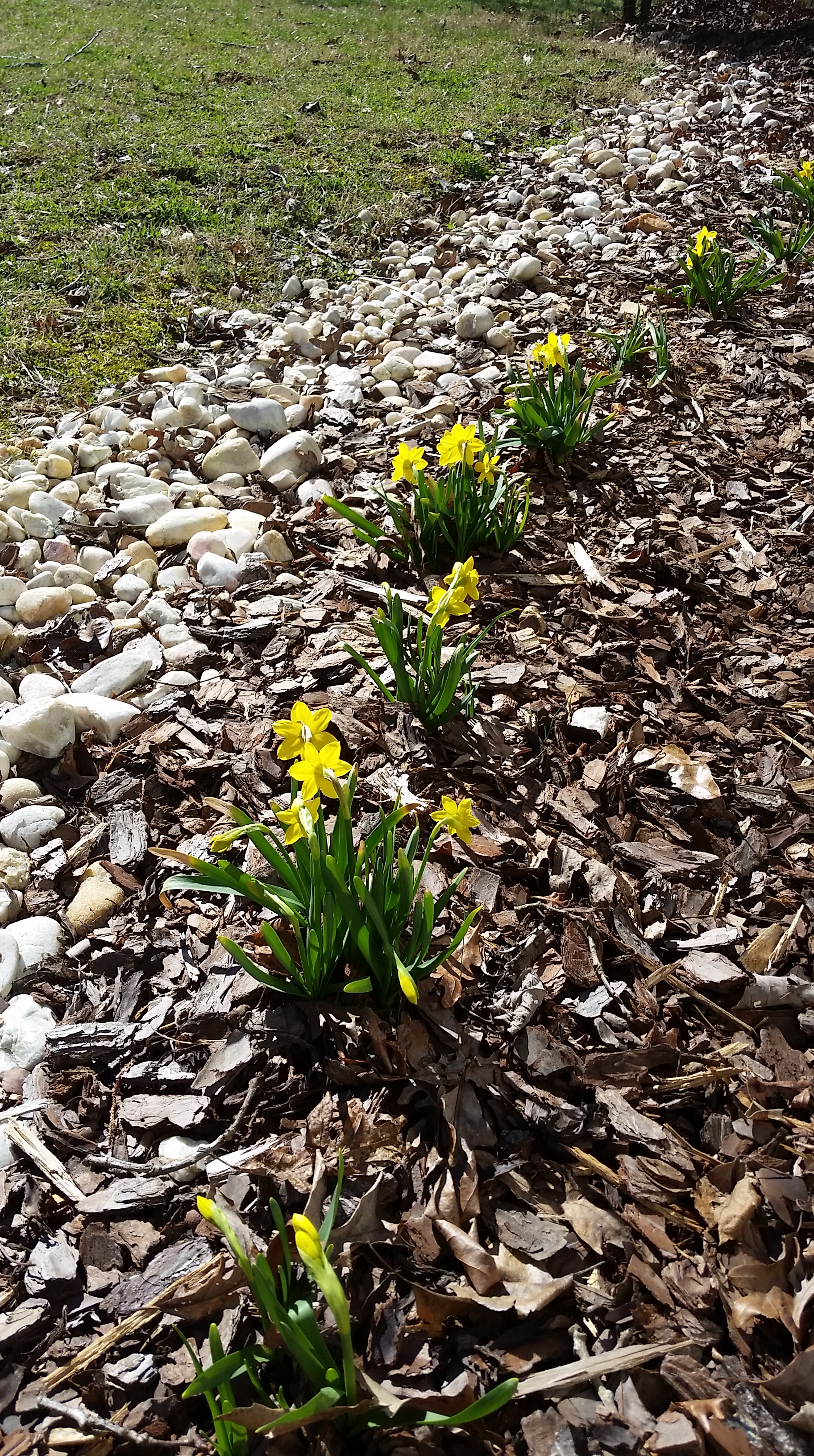
We are about done with winter in the south – nature is already signaling change. March announces its arrival a bit early with yesterday’s howling winds. The red maple outside my window is tipped with red buds. Dandelions persistently push though dried leaves; daffodils greet me on my walk to the park. Sitting on the park bench shaped from a fallen hickory, I consider winter’s lessons for survival.

With cues from burrowing creatures, I line my winter retreat with a stack of books, a list of movies to stream, CD’s hiding too long behind my top ten favorites choices, games I usually do not get around to playing I crochet comforters and wraps in warm colors, and delight in a variety of scarves to add more than warmth to winter wear. I pull out my highly favored fur-lined boots kept in the back of the closet for much of the year. On the coldest days I reach for my mother’s wool sweater, monogrammed with her initials.

Hoarding can also be life-giving I am very familiar with this hoarding instinct, having watched the squirrels’ frenzy of burying nuts. My lawn is covered with paw sized pits; scratched patches. Every newscaster in the northeast and much of the south sends reporters and photographers to the local hardware and grocers’ when a winter weather watch is announced. Viewers dutifully note the ritual of emptying shelves. In order to shift from surviving to thriving, I redefine the tradition of hoarding (while my pot of soup is simmering and my stash of chocolate is secure) I am hoarding gratitude. Wrapped in flannel and wool, I think about the pleasures of spiced tea, mulled cider, the snapping flame of a red cinnamon scented candle.

This year winter demands that I take an artist’s eye to a background of grey. Muted skies accent every point of color. From my reflection corner, where I read, write, and meditate, the red bird feeder that is kept inside in every other season creates a scene of vibrant activity. My kitchen window frames the suet feeder, and the frequent colorful visitors – cardinals, blue jays, black-capped chickadees, tufted titmouse, red-breasted finch, pileated woodpecker.  Their song is a winter’s jubilation as though they share in my delight at frost that sparkles when the sunlight finally appears, crystal coated mornings, the dance of snowflakes leaving a sweet layer of white icing on rhododendrons and magnolias with their candle like bulbs. Evergreens stand out in sharp contrast to their deciduous earth mates, reinforcing their own survival with a careful selection on nutrients. Seasons have a tendency to build on the spirit of anticipation, and though I pass through my winter trials with an upswing in acceptance, I eager anticipate change.

Daffodil Trail

Thriving in Winter: Acceptance

My thoughts on winter are moderated by the reality that I grew up in the south, on the east coast. Snow only arrived as a rare occurrence, a fluke. I don’t recall growing tired of winter as a child. The bite of cold was never sub zero, but always chilled by ocean breeze. Perhaps I experienced winter as a settling, being warmed by a coal fire while curled on the sofa reading. I dressed over the single heating grate in the floor of a small back hallway, pulling corduroys under my school dress. On Saturdays the bean pot simmered with pintos and corn bread baked in the oven. Winter was mistletoe in the tops of trees, Christmas, candy canes and oranges in stockings. The nut bowl, with the cracker and pick made its first appearance. Walnuts were always my favorite. Hot chocolate was served with a pile of melting marshmallows, ready to stick to the upper lip. My brothers and I put soft peppermint sticks in the center of oranges and drew on delight.

With a turn of the wall calendar winter became the liturgical season of  lent, a time to exchange “going without” for a few good and forgiving mercies. I learned to play chess one winter, and the card table was always up in the living room. Candy hearts and valentines messages created a spark of joy before winter departed. The beach in winter was made for walking, slowly, with plenty of time to explore the horizon, guessing what it would be like to swim to the other side, dreaming about discoveries.

Yearning is undeniably winter’s rough edge of desire, wanting the days to be something different, watching for the first chance to play baseball in the empty corner lot; waiting for the tight buds of azaleas to reveal color. Promises of spring are universal signs of hope. Restless desire for “anything but this”, however, becomes a source of discontent. Too often my memory of accepting winter for what it brings in the present moment is buried under layers of looking for change.

SONY DSC


Thriving in Winter: Lights Up!

If you were to name the four seasons – where would you begin? Would you draw on the calendar year, answer with the early learning chants of childhood? “The four seasons are winter, summer, spring and fall.” Or is there an innate sense of life cycle that frames your understanding: Spring – new birth; summer- flourishing life; fall- harvest and letting go; wintering – cold, dark, dying? Now the circle of reasoning returns to the necessary hidden life of winter. Gestation. All that lies fallow. Browned earth, bare trees, forest hiking trails carrying the musky scent of decaying leaves. Winter dormancy is essential to survival and renewal of the life-giving processes.

Your approach to winter is a matter of perspective. In my east coast southern climate, snowbirds are found on designated mountain slopes, but the everyday reality is more often the drizzling kind of cold. You’ve heard it said. In fact I have heard myself say: “I am so done with winter.” On a late afternoon walk I recently ran into a neighbor who made this very same declaration. My first interpretation was he was planning a trip to warmer climes – where winter sits not so deep and cold. “No,” he said, “I am just heading to Maggie B’s – today is red wine.” Germinating takes some time. I have been ruminating on winter, intentionally developing a new life plan not to simply survive winter, but to thrive while lying fallow.

In truth November does a good job of preparing for the inevitable – the early sun sets leaving me no choice but to let go of my leisurely evening after dinner strolls. Meteorological winter begins December first and paradoxically arrives with its name in written lights, Garlands of white lights appear around doors and porches; draped on outdoor evergreen. Colored strands of light can be viewed through windows. Candles appear on the dinner table, the early push for holiday mood setting. And I say “bring it on.”  Every bit of twinkle that lightens the darkness gives a festive touch to winter’s arrival.

Nature has its way with irony. Astronomical winter officially arrives with the winter solstice. In the Northern Hemisphere Dec. 21 may or may not be the shortest day of the year, but it’s a good average possibility. Of course the solstice – the polar tilt away from the sun is a only moment in time. A minute or two at a time, the day begins to lengthen. And herein lies the magic of surviving winter. Time is marked by our constant move forward (or around). One of my great annual delights is the moment I experience the lengthening of days. I am generally making preparations for dinner, looking out the window at the color of the sunset. Quite early in January, after all the hub of holidays has quieted and I have once again fallen into a welcomed routine, a different kind of light catches my attention. Daylight still dazzling me; the gentle quiet before the roses and golds are draped on the horizon. I see. I see. Winter is in motion.

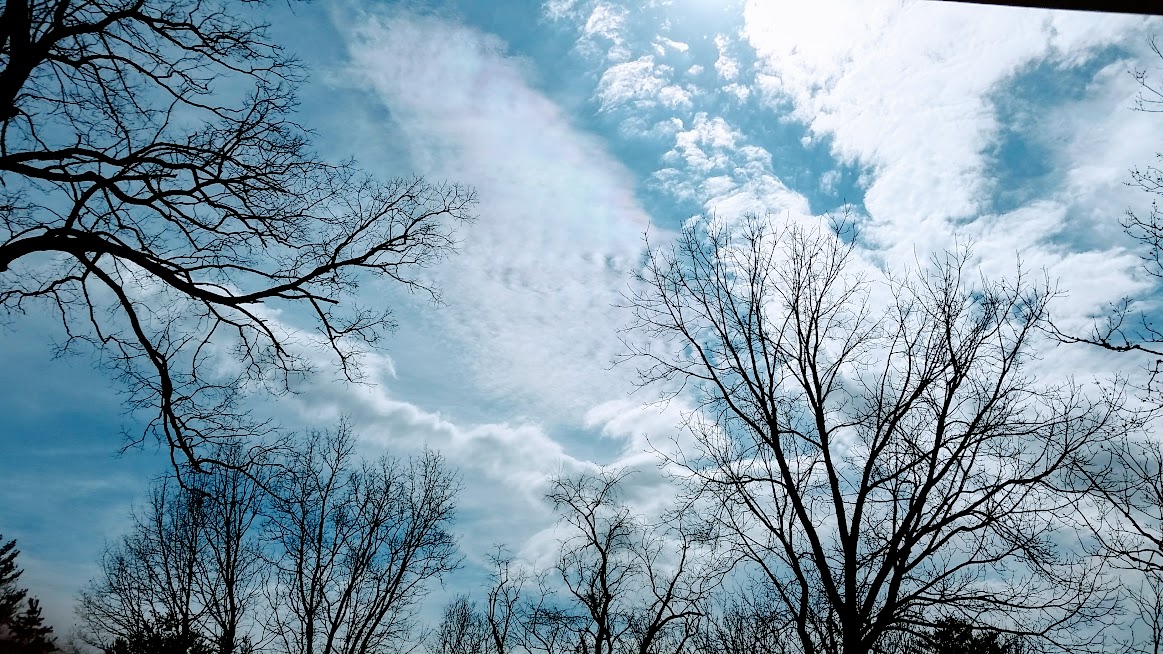
weaverville winter

To Every Season

To everything (turn, turn, turn)
There is a season (turn, turn, turn)
And a time to every purpose, under heaven
(Ecclesiastes 3:1, Pete Seeger 1950’s)

And all because the earth tilts a bit.

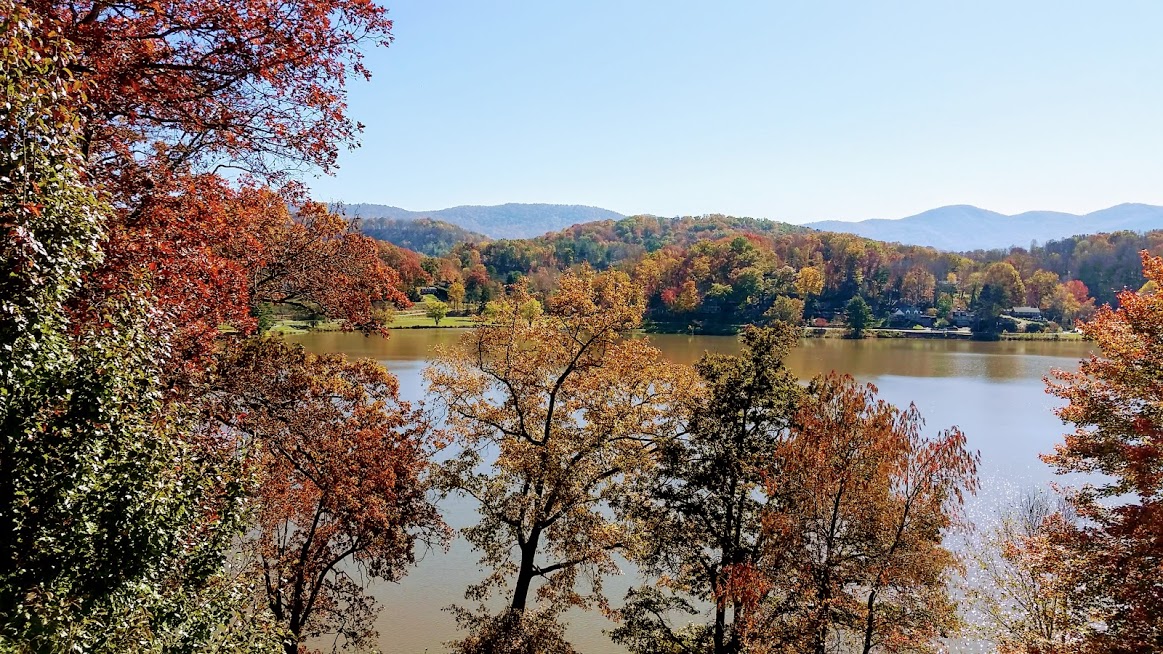
The truth as I know it is that while the turn of seasons is inevitable, nature has a contractual clause written in not-so fine print that says “subject to change”. Anticipated patterns can end in the unexpected. Visitors plan their trips to our ancient Pisgah Mountains and the Blue Ridge Parkway months ahead of fall’s scheduled arrival, hoping to catch the peak of a season landscaped in magnificent color. The season is sure to arrive, but nature’s rendering of color and the fullness of the leaf-bearing trees is dependent on rain, temperature, and winds.

This year the predictions of fall’s dramatic presentation have been cautious because of nature’s variables. When the fall calendar indicated the peak season should be arriving, the trees held back their spectacular showing. The ash and chestnut leaves began creating ground cover before the first cooling temperatures, while the red-toothed maples, and dogwoods, the divas of this fall’s fashion show, slowly began to provide the first peeks. Many of the yellows and gold held out for All Saints Day. I delight in whatever dabs of colors appear on nature’s canvas, while simultaneously pondering the reality that this grand presentation precedes nature being stripped to bare bones, creatures burrowing deeper, and birds migrating.

Today winds are pushing heavy gray clouds onto our mountains. Soon enough the clouds bring rain, the rain brings chill. Some bold leaves are holding tight, while plenty of limb-mates are letting go. I catch a view of a mighty oak in its orange blazer proclaiming “it’s not my turn”. When the sun’s performance is hidden behind this curtain, my thoughts take a turn towards the slow and reflective and I feel my world titling towards the moody. Befriending the day means looking for the unseen, unexpected revelation. Between yesterday and today the trees have been shaken and my horizon opens. I can now view the mountain ridges on three sides and give praise for the vision that will sustain me when this season departs. How About That!

fall mountains


A Harrowing Spider’s Tale

In my Western NC Mountain community, the signs of fall include Halloween settings – pots of golden yellow and orange chrysanthemums, bales of hay with a variety of pumpkins displayed; carved jack-o-lanterns, scarecrows, as well as signs of ghostly tales with giant black spiders draped on webs strung between shrubs and trees. My relationship with spiders can generally be summarized in the following personal statements: if I have seen one spider, I have seen them all (even if there are 35,000 identified species); there is not one good spider in the arachnid realm (even though left alone a single spider can remove all annoying insects in a house); it is reasonable to swat all spiders on sight (though this can be a sticky endeavor). Of course it is unreasonable to judge every spider by the fright of a black widow or brown recluse. I have no love for either and almost an irrational fear. Just one news blurb in the year 1973 about the disastrous results of one brown recluse hiding in the bottom of someone’s boot and I never take for granted my boots are uninhabited.

Therefore it is all the more surprising that I decided to allow an American house spider clinging to my kitchen window to take up residence in late spring. She remained beyond reach but close enough for careful observation. I wanted to see how she went about her days. Her web was hardly a web at all, rather a disarray of apparently useful silken threads – handy for hanging out and catching a casual insect visitor by surprise. When I opened the shade in the morning, I would discover such unsuspecting insects, often drawn to the kitchen light at night, rather precisely mummified at the spider’s pleasure. Other than watching for prey, this resident spider rarely cleaned house, though her poor eyesight with a distance vision of no more than three or four inches, may be a reasonable excuse. What you don’t see can’t bother you. I on the other hand could see all – except where the daddy spider came into the picture, I suppose only under cover of midnight. The facts are that spiders are completely solitary creature, living and feeding on their own. When ready for mating the male has to search out the rare sexually mature ready female and reach her before his competitors – competition is fierce. On five occasions from early summer to early fall my female created plump birthing sacs. Watching the translucent ballpoint pen sized spiderlings come to life was one of the more interesting observations. On each occasion activity around the sac took place over several days – and then one morning all would disappear. I did wonder where 100-400 arachnids – depending on survival rate – found their own residences.

Mid-way in the summer a second female spider took up residence at the opposite side of the screen and began a parallel life style – messy housekeeper focused on keeping the larder amply supplied with plenty enough insects to go around, periodically leaving a sac full of eggs. Now a possible 200-800 spiderlings found their way into the light of day on my kitchen screen. Though researchers say that the American house spider lives for about a year after reaching maturity, my astute granddaughter says there are about five eggs sacs in a season. Perhaps that is why five egg sacs later, just as October approached I was deep cleaning my own lair and noticed no sac activity, just two female spiders curled into a somewhat fetal position. Now my screen with its messy webs was ready for cleaning. One swipe and the oldest of the female spiders awakened from her stupor and dashed to the ledge. I thought she was deceased of natural causes and was as startled as she was. As it t turned out, I was caught in the act of evicting her. The second spider, however, showed no signs of life. With a quick calculation I surmised that five egg sacs plus four more from female # two could lead to an insurrection. However my spider tale does not end in speculation.

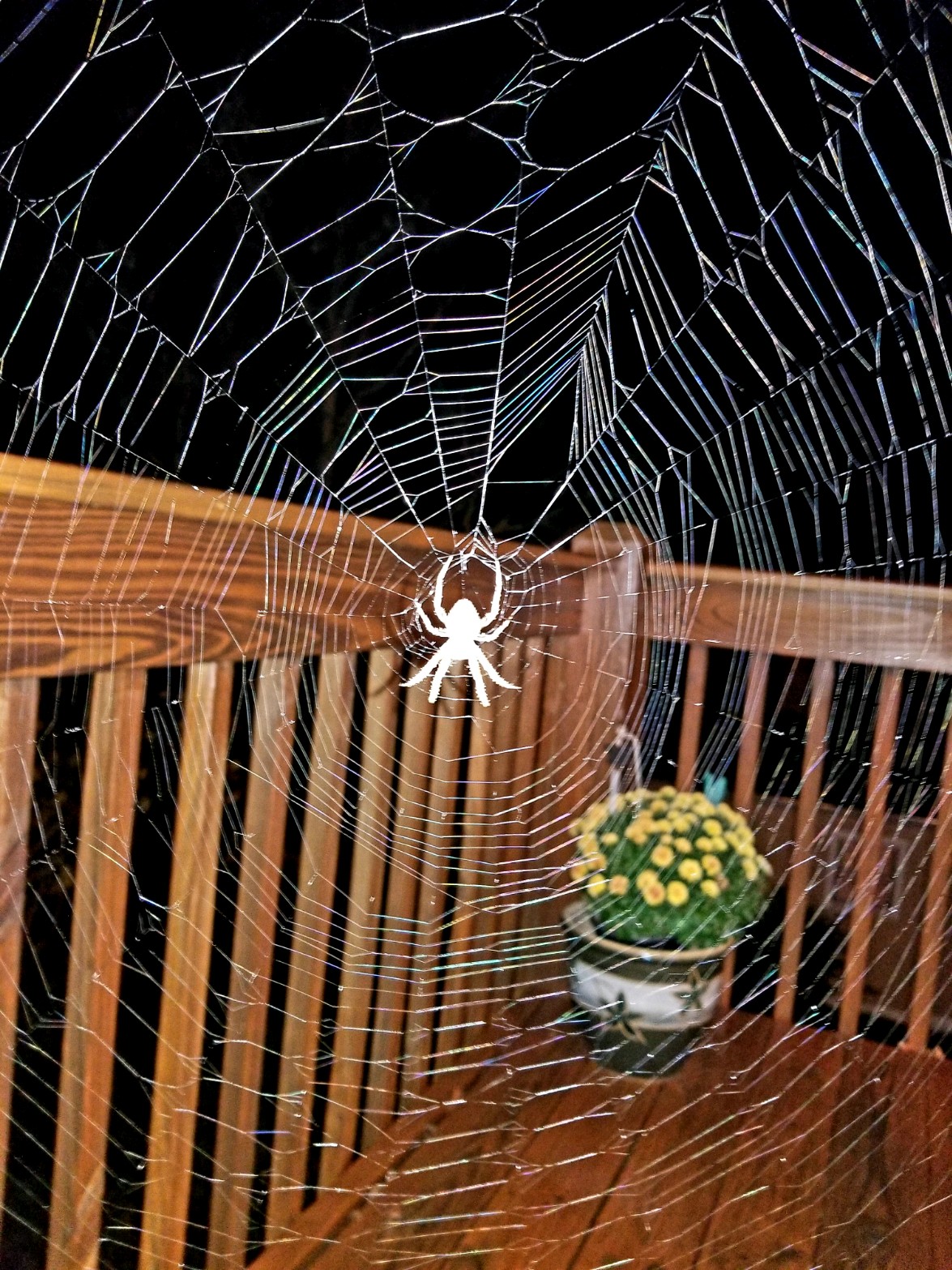
In preparation for fall, I took down webs and put out pumpkins, scare crows and mums. Early this week a new species of arachnid moved in without invitation and no sense of propriety– the back deck orb spider, the kind my daddy called writing spiders. We sighted the sudden appearance of an enormous web from roof line to railing just after sunset, a large visitor with long brown and green striped legs and a cross on its back, sitting bright and center ready for a night watch. Fascinated with its size, appearance, and web, we decided to leave the stunning spider in place for a good night’s catch. The following morning the creature seemed harmless enough to leave for 24 hours of observation and fact finding. How else can I overcome stereotyping a natural world rich with diversity or generalizing a threat from one spider to every spider? Early the next morning when I opened the back deck door to let our dog Kate out for a run, her fluffy coat and tail were suddenly dragging silken threads and I was eye to eye with the big mama spider scrambling for safety. I needed to plan a removal tactic, quick. With a stick in hand I pulled the web down from the gutter and the spider disappeared in a flash. Twenty-four hours later I pushed the door open and the spider appeared in my face within a breath’s reach, strung between door and siding, way too close for comfort. Using my heightened survivalist instinct, I swatted with a newspaper, and the spider and web instantly disappeared- until I felt its legs stretching out on my neck, right near the jugular. I have never practiced karate, but my actions were swift, hand chop from my neck to ground and one good stomp. Sorry, but it is true, I felt my life threaten, having read that the bite of an orb spider when it senses danger can be mean. Well so can mine.  Halloween at my house will go sans any sign of webs or spiders. I leave you with my one and only spider study and will henceforth leave all further spider observations to the eyes of the arachnologists.

https://en.wikipedia.org/wiki/Parasteatoda_tepidariorum

How Spiders Work   https://animals.howstuffworks.com/arachnids/spider8.htm
24167-3


A Picture of Paschal Mystery

A quarter of a century has passed since a wise woman counseled me. “Pay attention to what happens in nature, as it often speaks to what is happening in your life.” A large white pine framed the house I cherished and its limbs embraced the lives of the family I loved. One sleepless, troubled night, I watched the tree silently topple, completely uprooted in the winds of a storm. That was the year of my great loss. I have spent decades observing nature, unfolding the revelation of signs and seasons, reading the messages that water, rocks, birds, flowers, mountain paths leave in place. From the time of my childhood, I have looked for signs of hope, strength, comfort, faith, and belonging, spending hours searching for a four leaf clover, or standing on the porch looking for a rainbow after the storm.  I have picked wildflowers for my mother as a sign of love, combed the shoreline at low tide for a sand dollar – the Holy Ghost shell – lying unbroken in the wet sand.

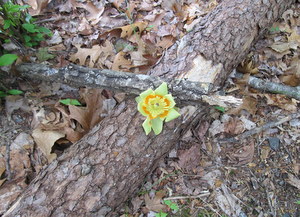
Several years ago as I climbed to the top of Stone Mountain, everything around me was alive with change. I used my camera to capture images that spoke of the great mysteries of life. Pictures often evoked wonder and creative imagination in my high school theology classes. At the center of my own faith pondering was the mystery of suffering, death, and resurrection. I had been trying to make sense of this experience since the death of my husband when I was too young and our four children too innocent to face such a devastating loss. That early spring morning on the side of the trail in layers of browned leaves, I saw the trunk of a tree, felled by a storm, a small limb creating a cross and the flower of a tulip magnolia lying in its center. Small green leafed plants had just begun to emerge. There in my path nature created an image of life’s paschal mystery, the ongoing reality of suffering, death, and resurrection. I snapped the picture and placed it into a folder of nature’s portrayals, filed but not forgotten.

This year I completed a spiritual memoir exploring my experience of discovering great love, profound loss, and new life, all the while making meaning of this mystery of suffering, death, and resurrection. Rebirthing Faith: A Memoir of Love, Loss, and Resurrection can be purchased on Amazon Books. For those who experience your own search for truth and goodness in the face of suffering, I hope my story will provide a mirror for reflection. For those who continue to seek answers to the mysteries of living, I hope you too find meaning in nature’s ongoing revelation.

IMG_0211